How it Works: Steps Toward Sustainability
Step 1
Deposit
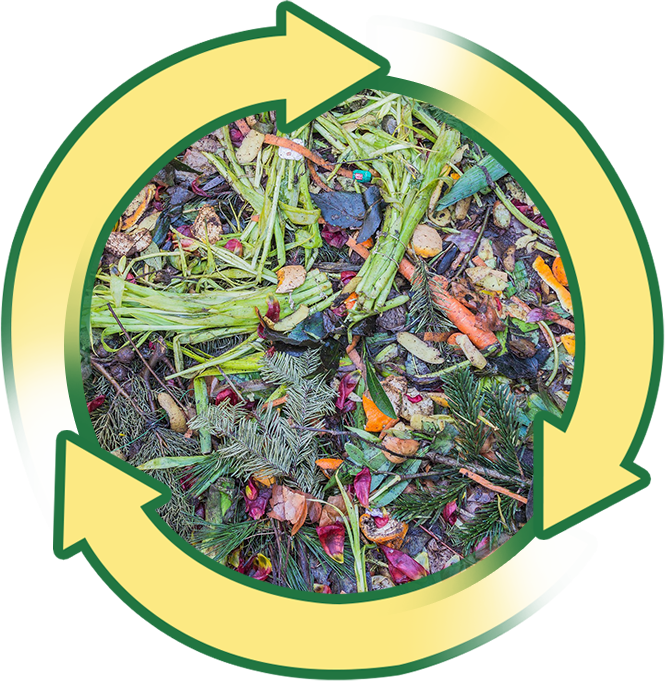
We will provide a plan of operation based on your location, size and any special requirements. You simply deposit your organic waste into our on-site containers.
Step 2
Pick-Up
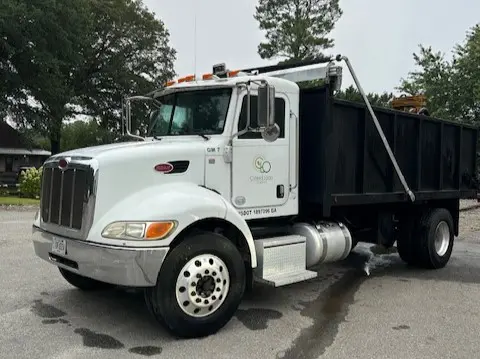
When it’s time for pick-up, our system will tip the pails on-site into one of our custom-designed organic hauling trucks to keep things clean, efficient, and hassle-free.

Step 3
Close the Loop
The same day we collect your organic waste, it is turned into animal feed, diverted to a compost facility, or converted into energy via anaerobic digestion.
Step 4
After the Collection
The recycling loop comes full-circle, we’ll provide you with a detailed report of your sustainability contribution.
Affordability
Implementing a diversion program with Closed Loop may actually save you money relative to your current waste spend.
Equipment
We have a fleet of custom-designed trucks made specifically for hauling and collecting organic waste and cooking oil safely, cleanly, and efficiently.
Brand Awareness
We believe that “going green” is essential to increasing your brand awareness in today’s marketplace. We’ll help you advertise and promote your sustainability to your customers and clients.
Training
We will train your staff, provide an orientation to our program, and give you materials to ensure the transition to recycling organic waste is as smooth as possible.
Tracking
We’ll provide data reports that show you how much you’ve recycled. These reports are extremely helpful in obtaining LEED Certifications or local, state, and federal sustainability recognition.
Support
We’re accessible 24/7 by phone or email to answer questions and offer support. No automated answering services!
Cooking Oil Recycling
Closed Loop Organics recycles used fryer oil and used cooking oil, turning these waste products into raw material that can be used to manufacture new products such as renewable diesel and sustainable aviation fuel.